Sports Bar Food Cost: Chain Pubs vs Local Taverns
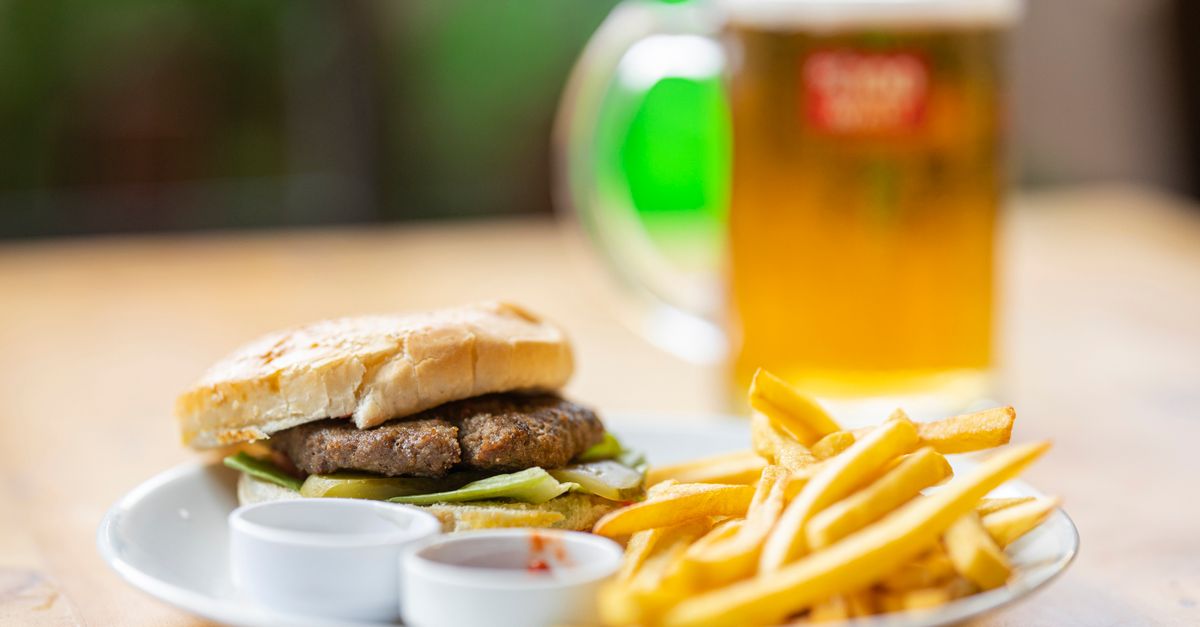
You're settling in for the big game, but before you order that basket of wings, have you ever wondered if you're getting a fair deal? The short answer: chain pubs often charge 10–20% more for the same items than local taverns, but they run more frequent specials. Local taverns typically offer lower base prices and bigger portions, though their menu prices can vary wildly from one neighborhood to the next. So which one actually saves you money? It depends on what you order, when you go, and how much you value consistency over character. Let's break down the real numbers behind sports bar food prices comparison.
Why Prices Differ: Chains vs. Locals
Chain pubs like Buffalo Wild Wings or TGI Fridays operate on a national scale. They negotiate bulk deals on chicken wings, beef patties, and beer kegs, which should keep prices low. But they also spend heavily on marketing, uniforms, standardized training, and prime real estate near stadiums or malls. Those costs get baked into every menu item.
Local taverns, by contrast, don't have a corporate parent taking a cut. They buy from regional suppliers, often at higher per-unit costs, but they save on advertising and bureaucracy. Their overhead is usually lower—think a family-owned building instead of a leased spot in a busy entertainment district. That's why you'll often see a local tavern selling a half-pound burger for $9.99 while a chain charges $13.49 for a quarter-pound patty.
However, locals lack the buying power to run loss-leader promotions. A chain can sell 50-cent wings on Tuesdays because it makes up the difference on drinks and desserts. A local tavern might not have that cushion, so its everyday prices stay low but its specials are less dramatic.
Appetizers & Shareables: Wings, Nachos, and Fries
This is where the gap is most obvious. A chain pub typically charges $14–$18 for a dozen bone-in wings. Local taverns? More like $10–$14 for the same count, and they often throw in celery, carrots, and blue cheese without an upcharge.
Nachos tell a similar story. Chains: $12–$15 for a standard platter with maybe a scoop of guac. Locals: $9–$12, and you might get a mountain of chips with jalapeños, sour cream, and salsa included. Fries are another tell. A chain might charge $5 for a side of fries; a local tavern often includes them with a sandwich or sells a basket for $3.
But watch the portion sizes. Some chains use smaller wings (flats and drums that weigh less) to keep costs down. Locals often buy larger, meatier wings from regional farms. So even if the price per wing is similar, the local version may fill you up faster.
When doing a sports bar food prices comparison, always calculate cost per ounce or per wing. A $12 dozen at a local tavern might be 4 ounces of meat, while a $15 dozen at a chain could be 3 ounces. That's a big difference.
Main Dishes: Burgers, Sandwiches, and Pizza
Burgers are the great equalizer—and the great divider. A chain pub's signature burger usually runs $13–$17. That includes fries, but the patty is often a frozen, pre-formed disc. A local tavern's burger might cost $10–$14, and it's often hand-pattied from fresh ground beef. You'll also find more variety: bison, lamb, or a half-pound monster that hangs off the bun.
Sandwiches follow the same pattern. A chain club sandwich: $12–$15. A local tavern club: $8–$12, with thicker slices of turkey and real bacon. Pizza is trickier. Chains often have pizza ovens and can sell a large pepperoni for $15–$18. Local taverns that don't specialize in pizza may charge $14–$20 for a frozen crust, which is a bad deal. Always check if the pizza is made in-house.
One hidden cost: chains often charge extra for substitutions (swap fries for onion rings: +$2) or sauces (ranch: +$0.75). Locals tend to be more flexible. That flexibility can save you $3–$5 per person over a meal.
Drinks: Where the Real Markup Lives
Food gets the attention, but drinks pay the bills. Chain pubs charge $6–$9 for a domestic draft, $8–$12 for craft, and $10–$14 for a cocktail. Local taverns? Domestic drafts often run $4–$6, craft $6–$9, and mixed drinks $7–$10. That's a 25–40% savings on every round.
Happy hour is the wild card. Chains usually have strict, corporate-mandated happy hours (e.g., $4 wells from 4–7 p.m. Monday–Friday). Locals might offer all-day specials on game days or $2 off any draft during the game. A local tavern near a stadium might even do $3 beers until the final whistle.
But don't assume locals are always cheaper. Some trendy neighborhood taverns in big cities charge $8 for a local IPA, matching chain prices. And chains often run game-day promotions like $5 margaritas or $3 drafts during playoffs. If you're a heavy drinker, the chain's happy hour could beat the local's everyday price.
For a true sports bar food prices comparison, track your total tab: two appetizers, two entrees, and four drinks. You'll usually find locals come out $10–$20 cheaper for a party of two.
Specials, Happy Hours, and Game-Day Deals
Chains win on predictability. You know that every Tuesday is half-price wings, every Thursday is $5 burgers, and every Sunday is $3 mimosas. These specials are advertised on apps and social media, so you can plan ahead. Local taverns often announce specials on a chalkboard or a Facebook post the same day. You might miss a great deal because you didn't check.
That said, local taverns can be more generous with game-day deals. A chain might offer $5 off a $30 purchase; a local might give you a free appetizer with any two entrees during the game. Locals also tend to have loyalty programs that actually work—buy 9 beers, get 1 free—while chain rewards programs often require you to spend $50 to earn $5.
One more thing: chains often add a surcharge on game days or for big events (e.g., $2 extra for a table near the TV). Locals rarely do this. If you're heading out for a championship game, call ahead and ask about cover charges or minimums. A local tavern might have no cover, while a chain sports bar could charge $10 just to walk in.
How to Get the Best Value at Either Spot
First, decide what matters more: rock-bottom prices or a guaranteed experience. If you want the cheapest possible wings and beer, go local and order off the regular menu—skip the specials unless they're clearly a steal. If you want a wide beer selection and reliable happy hour timing, go chain and stick to the promoted items.
Second, always ask about portion sizes and substitutions. A local tavern might charge $2 for extra cheese, but a chain might charge $3.50. Ask before you order.
Third, use apps. Many chains list prices on their apps, so you can compare before you leave home. For locals, check their website or call. A quick phone call can save you $15.
Fourth, consider the total cost, not just the food. A $10 burger at a local tavern that's a 20-minute drive away might cost you more in gas than a $13 burger at a chain two blocks away. Factor in parking, too—chain pubs near stadiums often charge for parking, while locals might have a free lot.
Finally, don't overlook the atmosphere. A local tavern with a $9 burger and $5 drafts might have a smaller TV and a louder crowd. A chain with a $14 burger and $8 drafts might have 20 screens and a quieter booth. The best value is the one that fits your game-day vibe.
Frequently asked questions
Are chain sports bars always more expensive than local taverns?
Not always. Chains often run aggressive happy hour and game-day specials that can beat local everyday prices. However, on a standard menu comparison, local taverns typically charge 10–20% less for food and 25–40% less for drinks. The gap narrows if you only order promoted items at a chain.
Why do local taverns have lower food prices?
Locals usually have lower overhead: no corporate franchise fees, less marketing spend, and often a family-owned building with lower rent. They also buy from regional suppliers and don't need to maintain a national brand image. That said, their prices can vary more because they don't have bulk purchasing power.
Do chain pubs charge extra for sauces or substitutions?
Yes, most chains charge for extra sauces (ranch, blue cheese, BBQ) and substitutions (swap fries for onion rings). These upcharges can add $2–$5 to your bill. Local taverns are often more flexible and may include sauces or substitutions for free.
How can I compare sports bar food prices before I go?
Check the bar's website or app for a current menu with prices. For chains, apps are usually up to date. For locals, call and ask about game-day specials and whether prices change during major events. Also look at recent photos of menus on Yelp or Google Maps.
Is it cheaper to watch the game at a local tavern or a chain?
For a typical order of two appetizers, two entrees, and four drinks, a local tavern usually comes out $10–$20 cheaper for two people. But if you drink heavily and the chain has a $3 draft special, the chain can win. Always calculate your total tab, including parking and tip.