Why Screen Quality and Audio Matter at Sports Bars
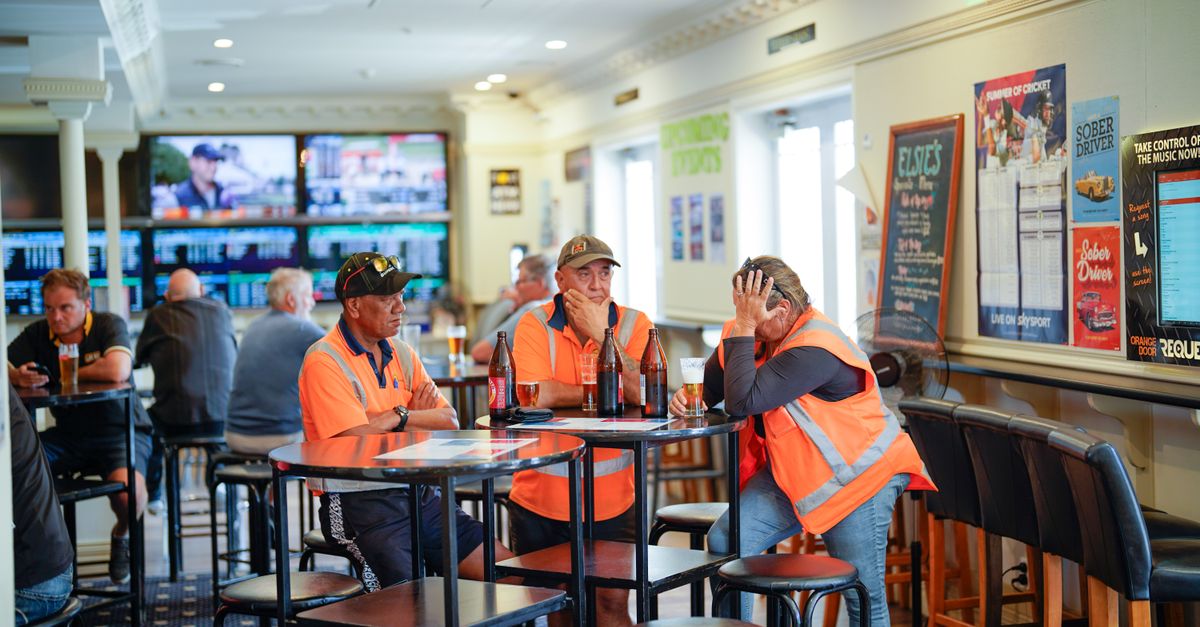
You walk into a sports bar, grab a seat, and look up. If the screen is dim, blurry, or washed out by glare, the game feels like a chore. If the audio is muffled or delayed, you might as well be watching on mute. The truth is, screen quality and audio are the two most important factors in a great sports bar experience. They determine whether you can follow the puck, read the jersey numbers, and react to the crowd roar in real time. In this guide, we'll break down what actually matters—resolution, brightness, viewing angles, sound systems, and sync—so you know what to look for. We'll also share insights from our own best sports bar screen setups review, based on visits to dozens of venues. By the end, you'll be able to spot a top-tier setup from the parking lot.
Resolution and Clarity: Why 1080p Isn't Enough Anymore
A few years ago, 1080p was the gold standard for sports bars. Today, it's the bare minimum. Most major sports broadcasts—NFL, NBA, MLB, Premier League—are produced in 1080p or 4K HDR. If a bar is still running 720p screens, you'll notice it immediately: fuzzy text on the scoreboard, soft edges on fast-moving players, and a general lack of detail.
When we conduct a best sports bar screen setups review, the first thing we check is native resolution. A 4K screen doesn't just look sharper—it also handles motion better. That matters for hockey pucks, tennis balls, and race cars. But resolution alone isn't enough. You also need a clean signal path. Cheap splitters and long HDMI runs can degrade the image. Good bars use HDMI over IP or SDI distribution, which keeps every screen pixel-perfect.
Another factor: upscaling. Many bars feed a 1080p signal to 4K screens. That's fine if the upscaler is decent, but bad upscaling adds lag and softness. Ask the bartender what the source resolution is. If they don't know, look at the crawl at the bottom of ESPN. If it's jittery, the setup is weak.
Brightness, Contrast, and Glare: The Daylight Problem
Sports bars are not dark theaters. They have windows, neon signs, and overhead lights. A screen that looks great at night can become a mirror during a 1 PM kickoff. That's why brightness—measured in nits—matters. For a bar with lots of ambient light, you want at least 500 nits. For direct sunlight, 700+ nits is better.
Contrast is equally important. High contrast makes the ball pop against the grass and the puck visible against the ice. OLED screens have perfect blacks, but they can suffer from burn-in if a static scoreboard stays on for hours. Most bars use high-end LED-LCDs, which are brighter and more durable. In our best sports bar screen setups review, we look for screens with anti-glare coatings and matte finishes. A glossy screen is a dealbreaker in a bright room.
Don't forget viewing angles. If you're sitting at a corner table, an off-axis screen can look washed out. IPS panels handle angles better than VA panels, but they have lower contrast. The best bars mix panel types: IPS for wide seating areas, VA for straight-on viewing. If you see a row of screens that all look equally bright from every seat, that's a sign of a thoughtful setup.
Audio: The Difference Between Watching and Experiencing
You can have a 100-inch 4K screen, but if the audio is bad, the game feels flat. Sports are emotional. You need to hear the crowd, the whistle, the announcer's call. But bar audio is tricky. Too loud and you can't talk. Too quiet and you can't follow the game. The best bars use a zone-based audio system. They pump the main game's audio to the whole room, but they can also isolate audio to specific sections—like a back room for a different game.
Soundbars are common, but they're often underpowered for a large space. A proper setup uses ceiling-mounted speakers or line arrays, with a digital signal processor (DSP) to balance levels. The key is even coverage: you shouldn't have a dead zone where the audio drops out. We've tested dozens of bars for our best sports bar screen setups review, and the ones with the best audio always have a dedicated sound engineer or a contractor who tuned the room.
One more thing: audio delay. If the sound is ahead of or behind the video, it's maddening. Good bars use a delay unit to sync audio and video. If you notice lip-sync issues, that's a red flag. The bar either doesn't care or doesn't know how to fix it.
Screen Placement and Sightlines: Where You Sit Matters
Even with great screens and audio, bad placement ruins the experience. You shouldn't have to crane your neck or sit in a dark corner. The best bars place screens at eye level—typically 5 to 7 feet off the ground—and angle them slightly downward. They also avoid putting screens behind the bar, where bartenders block the view.
Sightlines are about more than just height. You want a clear path from your seat to the screen. That means no pillars, no hanging lights, and no servers standing in the way. Some bars use a tiered layout, like a stadium, so every seat has a view. Others use multiple smaller screens instead of one giant one, which gives more people a good angle.
In our best sports bar screen setups review, we map out the room. We check every seat. If there's a bad seat, we note it. The best bars have zero bad seats for the main game. They also label screens with team names or game info, so you know what you're watching. That's a small touch that makes a big difference.
The Hidden Tech: Distribution, Calibration, and Maintenance
You can't see the distribution system, but you can see its effects. A bar with a cheap matrix switcher will have screens that flicker, drop signal, or show the wrong game. A bar with a professional system will have seamless switching and consistent quality. Look for racks of equipment behind the scenes—if the bar is proud of its setup, they might even show you.
Calibration is another invisible factor. Every screen should be calibrated to the same color temperature and brightness. Otherwise, one screen looks blue and another looks yellow. That's distracting. Good bars use a calibration tool or hire a pro. They also set the correct aspect ratio. Stretched images are a sure sign of laziness.
Maintenance matters too. Dead pixels, dusty screens, and broken speakers are common in bars that don't keep up. A quick scan of the room tells you a lot. If the screens are clean and the sound is crisp, the owner cares. If you see a screen with a line down the middle, that's a bar that doesn't invest in the experience.
Frequently asked questions
What resolution should I look for in a sports bar screen?
At minimum, 1080p. But for the best experience, look for 4K. Most modern sports broadcasts are 1080p or 4K, and 4K screens handle motion and detail better. If a bar is still using 720p, you'll notice blurry text and soft images.
Why is audio sync important in a sports bar?
If the audio is out of sync with the video, it's distracting and ruins the experience. Good bars use a delay unit to match audio and video. If you notice lip-sync issues, the bar likely hasn't invested in proper audio processing.
How can I tell if a sports bar has good screen placement?
Look for screens at eye level (5-7 feet high) and angled slightly down. Check for obstructions like pillars or hanging lights. The best bars have clear sightlines from every seat, often with multiple smaller screens instead of one giant one.
What's the ideal brightness for a sports bar screen?
For a bar with ambient light, aim for at least 500 nits. If there's direct sunlight, 700+ nits is better. Anti-glare coatings and matte finishes also help reduce reflections.
Do sports bars need professional calibration?
Yes, if they want consistent quality. Without calibration, screens can have different color temperatures and brightness levels. That's distracting. Good bars calibrate their screens to match, ensuring a uniform look across the room.